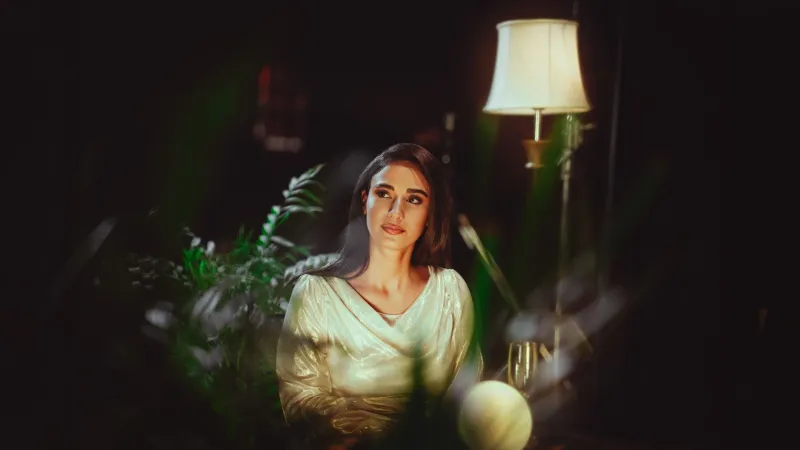
The New Restraint: Why Affluent American Women Are Choosing Modest Luxury as a Defining Lifestyle Statement
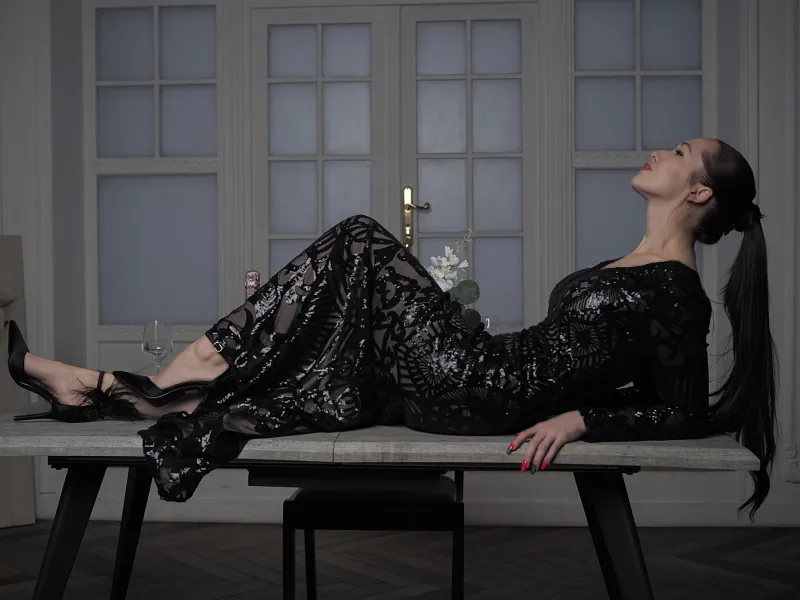
For much of the past two decades, American fashion has operated on a fairly consistent cultural assumption: that visibility equals power, and that exposure is the most direct form of self-expression available to women. It is an assumption that has shaped everything from red carpet dressing to everyday workwear. And increasingly, a significant and quietly influential segment of American women is pushing back against it — not with protest, but with precision tailoring, exceptional fabric, and a studied elegance that makes its own argument entirely.
This is the world of premium modest fashion — and it is no longer a niche.
Reframing the Conversation
The word "modest" carries considerable cultural baggage in the American context. It has been associated, depending on the speaker, with religious obligation, social conservatism, or a kind of fashion timidity. What is happening now, however, is something categorically different. The women driving the current appetite for elevated modest dressing are not retreating from self-expression — they are expanding its vocabulary.
They are women who have found that a floor-length skirt in Italian wool commands more attention in a boardroom than a hemline ever could. Women who have discovered that a beautifully constructed long-sleeve dress in silk charmeuse communicates a form of authority that feels entirely their own. Women who understand, intuitively, what the most sophisticated designers have always known: that restraint, when executed at the highest level, is one of fashion's most powerful tools.
This realization has not arrived in isolation. It has been shaped by cultural cross-pollination, by the growing visibility of Middle Eastern fashion aesthetics in global luxury markets, and by a broader American cultural moment in which intentionality — in diet, in wellness, in consumption — has become its own form of status.
The Psychology of Covered Luxury
To understand why affluent American women are gravitating toward this aesthetic, it is worth considering what premium modest fashion actually offers that other approaches do not.
First, there is the matter of permanence over trend. The silhouettes that define elevated modest dressing — the long coat, the draped midi, the wide-leg trouser paired with a structured tunic — are not seasonal experiments. They are enduring forms. Women who invest in these pieces are building wardrobes that function across years and occasions rather than months and moments. In a culture saturated with fast fashion and its attendant anxieties, this is genuinely liberating.
Second, there is the question of fabric as the primary statement. When the body is more fully covered, the quality of the cloth becomes the most visible element of a garment. A cashmere duster in a deep burgundy tells its story through texture and drape. A hand-embroidered silk abaya-inspired coat speaks through the density of its craftsmanship. The conversation shifts from the body to the object — and for many women, that shift feels like a profound relief.
Third, and perhaps most significantly, there is the reclamation of privacy as a luxury good. In an era of radical transparency — social media, personal branding, the relentless pressure to be seen — choosing to dress in a way that withholds rather than reveals is, paradoxically, an assertion of considerable power. The woman who dresses with intentional modesty is deciding, on her own terms, what she shares and what she keeps. This is not a small thing.
Profiles in Considered Dressing
The women who have embraced this aesthetic in America are not a monolith. They include women of Muslim faith for whom modest dress is both a spiritual practice and a style preference. They include women of no particular religious affiliation who have simply found that covered dressing aligns more authentically with how they want to move through the world. They include professional women who have grown weary of negotiating the unspoken rules of workplace femininity, and creative women who find the structured silhouettes of modest fashion a more compelling canvas than the alternatives.
What unites them is not doctrine but discernment. They are, by and large, women who have thought carefully about what they wear and why — and who have arrived at the same conclusion from very different directions.
At Hajar, this diversity of motivation is not a complication — it is the point. The brand was conceived with the understanding that a garment rooted in Middle Eastern heritage carries meaning that is simultaneously specific and universal. A beautifully made long dress does not require a particular faith to be appreciated. It requires only the capacity to recognize quality, and the willingness to let a piece of clothing be more than just clothing.
What Premium Modest Fashion Actually Looks Like
It is worth being specific, because the category is broader and more varied than its name might suggest.
At the foundational level, premium modest fashion encompasses any elevated garment that prioritizes coverage without compromising on silhouette or sophistication. This includes:
- Long-line outerwear in fine wool, cashmere, or structured technical fabrics — the kind of pieces that function as the primary statement of an ensemble rather than a finishing layer.
- Fluid maxi dresses and skirts in silk, crepe, or high-quality jersey — garments that move beautifully and photograph with the kind of effortless elegance that shorter hemlines rarely achieve.
- Wide-leg trousers paired with longer tunics or structured blouses — a silhouette that has appeared consistently on the runways of the world's most respected houses precisely because it works.
- Elevated modest suiting — the pantsuit reimagined with longer blazer proportions, wider legs, and fabrics that justify the investment.
- Statement abayas and kaftan-inspired coats that function as complete garments in their own right, drawing directly from Middle Eastern craft traditions while speaking fluently to contemporary American luxury sensibilities.
The Market Responds
The commercial evidence for this shift is substantial. The global modest fashion market is projected to reach extraordinary valuations in the coming years, with American consumers representing a rapidly growing segment of that demand. Luxury department stores that once stocked modest options only as an afterthought are now devoting dedicated floor space and editorial attention to the category. Independent designers working in this space are receiving the kind of critical and commercial recognition that would have been difficult to imagine a decade ago.
What is particularly notable is the direction of influence. For much of fashion history, trends originated in Western capitals and traveled outward. What is happening now is more genuinely reciprocal. The aesthetic vocabulary of Middle Eastern dress — its proportions, its relationship to fabric, its philosophical approach to coverage — is traveling inward, shaping the work of American designers and the preferences of American consumers in ways that feel permanent rather than passing.
Dressing With Intention
The most compelling argument for premium modest fashion as an American lifestyle choice is ultimately the simplest one: it works. It works for the woman who wants to dress with authority. It works for the woman who wants her clothes to last. It works for the woman who has decided that the most interesting thing she can do with her wardrobe is make it deeply, unmistakably her own.
At Hajar, we believe that the finest clothes are those that carry meaning — that connect the woman who wears them to something larger than a single season or a single trend. The heritage that informs our collections is not decorative; it is structural. It is the reason our garments are cut the way they are, finished the way they are, and designed to be worn the way they are — with confidence, with knowledge, and with the quiet conviction that true luxury has never required exposure to make itself known.